
Article: How Do You Find a Tailor for Better Clothing Fit?
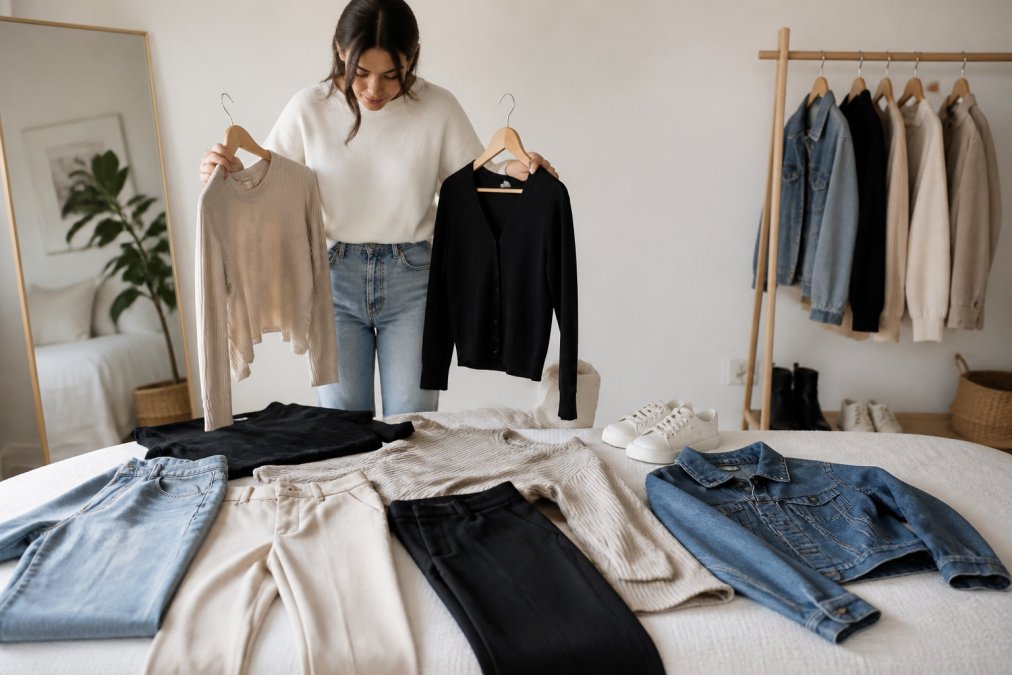
How Do You Find a Tailor for Better Clothing Fit?
Last Updated: November 3, 2026
Quick Summary
To find a tailor for better clothing fit, start by asking friends, coworkers, and family who look consistently well-dressed who they use, and ask a local retailer you trust for a recommendation. Word of mouth beats advertising every time, and a tailor with a steady stream of regulars is usually doing something right.
- Search for alterations near me plus the garment type so the shop matches your job.
- Ask about turnaround time, garment specialty, pinning before cutting, and rework at no charge.
- Bring the shoes and undergarments you will wear with the garment to the fitting.
- Walk away from shops that will not pin the garment on you or put the pickup date in writing.
- Keep a record of your measurements and past alterations to build a long-term relationship.
Table of Contents
- How to Find a Tailor for Better Clothing Fit: The Starting Point
- How to Find a Tailor for Better Clothing Fit Online
- Questions to Ask a Tailor Before You Hand Over a Garment
- What Clothing Alterations Cost and How Long They Take
- How to Tailor Clothes to Fit Better: A Garment-by-Garment Guide
- How to Prepare for a Fitting and Judge the Finished Work
- Red Flags, Disputes, and Protecting Valuable Garments
- Build a Long-Term Relationship With Your Tailor
- Frequently Asked Questions
How to Find a Tailor for Better Clothing Fit: The Starting Point
A great tailor can turn an almost-right garment into the best-fitting piece you own. Learning how to find a tailor for better clothing fit starts with one simple step: ask the people whose clothes already look sharp on them. The answer to this question often comes from word of mouth rather than a search engine.
A tailor is a skilled professional who adjusts finished garments so they follow your body's lines. A good one works with your proportions, not against them. That distinction matters more than any price list.
Start your search here:
- Ask friends, coworkers, and family who look consistently well-dressed who they use
- Ask a local retailer you trust for a recommendation
- Check whether a dry cleaner offers alterations and how long they have done so
- Note anyone who specializes in the garments you need adjusted
Word of mouth beats advertising every time. A tailor with a steady stream of regulars is usually doing something right.
If you would rather ask us directly before you start calling around, you can contact us with your question.
How to Find a Tailor for Better Clothing Fit Online
Online search works well once you know what to look for. The trick is reading reviews like a skeptic, not a shopper.
Search for "alterations near me" plus the garment type. A shop that lists "wedding dress alterations" handles delicate fabric differently than one that only hems jeans. Match the listing to your job.
Then read the reviews for patterns:
- Look for comments about fit accuracy and finishing, not just friendliness
- Check whether reviewers mention the same garment type you need
- Note complaints about missed pickup dates
- Prefer shops with many reviews over a handful of glowing ones
Google reviews and local directories both help. So does a shop's own photo gallery, which often shows real finished work.
Questions to Ask a Tailor Before You Hand Over a Garment
The best tailors welcome questions. A short phone call or a quick chat at the counter tells you a lot.
Ask these before you commit:
- What is your turnaround time? Get a specific date, not "a few days."
- Do you specialize in this garment? Suits, dresses, and denim each need different skills.
- Will you pin the garment on me first? A fitting before cutting is non-negotiable.
- How many fittings will this take? Complex jobs often need two.
- What happens if the fit is still off? Ask about rework at no charge.
- Can you show me similar work? Photos or samples build trust fast.
The answers tell you whether a tailor is reliable and whether they understand your goal. Vague answers are a warning sign.
What Clothing Alterations Cost and How Long They Take
Most alteration shops quote by the job, not by the hour, and the quote depends on three things: how complex the change is, how delicate the fabric is, and how much hand-finishing the garment needs. A simple trouser hem is a quick machine job. Taking in a lined blazer requires opening the lining, reshaping the back, and pressing the seams flat again, which is why the price and the wait both climb.
Pricing depends on the specific alteration, the garment, and the shop, so confirm the exact quote in person before you commit.
Alteration |
Typical Price Range (USD) |
Usual Turnaround |
|---|---|---|
Hem trousers or jeans (standard) |
$10-$25 |
1-3 business days |
Hem jeans with original hem preserved |
$20-$35 |
2-4 business days |
Shorten sleeves (unlined shirt) |
$15-$30 |
2-4 business days |
Shorten sleeves (lined jacket, with buttons) |
$40-$80 |
4-7 business days |
Take in a waist (trousers) |
$20-$40 |
3-5 business days |
Take in a blazer at the sides |
$50-$100 |
5-7 business days |
Let out a seam (where allowance exists) |
$20-$45 |
3-5 business days |
Resize a formal or bridal dress |
$75-$250+ |
1-2 weeks |
Replace a zipper |
$25-$60 |
3-5 business days |
A few general pricing mechanics are worth knowing before you hand over a garment:
Watch out: a quote that is dramatically lower than every other shop in town usually means the work is being outsourced or rushed, so ask who actually does the sewing and whether the garment leaves the shop.
How to Tailor Clothes to Fit Better: A Garment-by-Garment Guide
Not every garment can be altered, and some are far easier than others. For one of the trickiest, see our complete guide to styling and caring for denim. Knowing what is realistic saves you money and disappointment.
What usually works well:
- Trousers: hemming, taking in the waist, tapering the leg
- Sleeves: shortening length, slimming the arm
- Dresses: taking in side seams, adjusting straps, hemming
- Suits: taking in the jacket waist, shortening sleeves and trousers
What is harder or sometimes impossible:
- Shoulders on a structured jacket, which are costly to change
- Garments with very little seam allowance to let out
- Heavily embellished or delicate fabrics
- Pieces where the print or pattern must stay aligned
Before you invest in alterations, it helps to know which pieces are worth the effort.
How to Prepare for a Fitting and Judge the Finished Work
A fitting goes better when you arrive ready to be pinned and measured. Treat it as an appointment, not an errand.
What to bring and wear:
- The shoes you will wear with the garment, since heel height changes hem length
- The undergarments you plan to pair with it, because straps and support change how a bodice or waist sits
- The belt, suspenders, or accessories that affect the fit
- The garment itself, clean and pressed, with any tags or packaging removed
- A list of the specific changes you want, written down so nothing is forgotten
What to ask at the fitting:
- Which seams will you open, and will the original stitching line be preserved?
- Will you pin the garment on me before cutting?
- How much seam allowance is left for a future let-out?
- Will this change the drape or the line of the garment?
- When exactly will it be ready, and what is the pickup window?
At the fitting, move the way you actually move. Sit down, stand up, raise your arms overhead, reach forward, and walk a few steps. A good tailor watches how the garment behaves in motion and adjusts pins accordingly. Tell the tailor where it pulls, gaps, or bunches, and point to the spot rather than describing it in general terms.
When you collect the finished piece, judge it against objective checks rather than a quick mirror glance:
- Seams: run a finger along the inside; the stitching should be flat and even with no puckering, skipped stitches, or loose threads.
- Hems: measure the distance from the floor to the hem at several points; it should be level all the way around.
- Symmetry: compare sleeve lengths, lapels, pockets, and side seams on both sides.
- Balance: stand naturally and check that the garment hangs straight, with the front and back hems level and no twisting at the side seams.
- Mobility: sit, reach, and raise your arms; the fabric should not pull across the back or bind at the armhole.
- Comfort: no pinching at the waist, no gaping at the bust or collar, no strain at the buttons.
Watch out: if a garment feels tight standing still but fine when you move, the fit is probably wrong, because most people spend the day in motion, not posed in front of a mirror.
If something is off, say so before you leave the shop and ask for the specific correction. Reputable tailors expect a rework pass and will note it on the ticket. Keep the written estimate and the pickup receipt until you have worn the garment at least once, since that paperwork is what protects you if a seam fails or a hem drops after the first wear.
Red Flags, Disputes, and Protecting Valuable Garments
Most alteration jobs go smoothly. A few do not, and knowing the warning signs protects you.
Watch out for a shop that will not pin the garment on you, quotes a price without seeing the piece, or avoids putting the pickup date in writing. Those are signs to walk away.
For valuable or sentimental garments, take photos before you hand them over. Note any existing damage in writing. Ask what happens if the garment is damaged during work.
If a dispute arises, stay calm and specific. If you need to know what the store offers in that situation, review our returns and exchange policy. Describe the problem, show your photos, and ask for a fix. Most shops want to make it right. If you bought the garment from us and an alteration goes wrong, contact us for help.
Build a Long-Term Relationship With Your Tailor
The real payoff comes over time. A tailor who knows your body, your preferences, and your wardrobe works faster and fits better with each visit.
Keep a simple record of your measurements and past alterations. Tell your tailor what you liked and what you would change. Bring garments in before they wear out, not after.
Investing in well-made pieces makes this relationship worthwhile. See why quality clothing is worth the investment over the long term. Investing in durable construction tends to pay off over years of wear.
Frequently Asked Questions
How do you find a good tailor if you have no referrals?
Start with local search and read reviews for specifics about workmanship, turnaround, and how the tailor handled problems, not just star ratings. Look for shops that display specialization, such as formalwear or casual wear. Then book a small, low-risk alteration like hemming to test the work before trusting them with a suit or dress. A reliable tailor will explain what is possible, quote a clear price, and set a realistic appointment time.
How much do clothing alterations usually cost?
Clothing alterations cost varies by garment and complexity. Simple hemming sits at the low end, while taking in a lined blazer or restructuring a dress costs more because of fabric, construction, and labor time. Ask for an itemized quote before work begins and confirm whether pressing is included. Prices also shift with turnaround speed, so get the number in writing rather than relying on a general estimate.
Can a tailor alter casual women's clothing, not just suits?
Yes. A skilled tailor can adjust trousers, dresses, sleeves, and casual wear as readily as formalwear. The limit is construction: garments with very little seam allowance, heavy embellishment, or bonded fabrics may not be alterable without visible marks. Bring the piece to a consultation and ask directly what can and cannot be changed. Honest tailors will tell you when an alteration is not worth the price.
How many fittings do clothing alterations need?
Most simple alterations need one fitting and one pickup. Taking in a structured garment, adjusting a lined suit, or reshaping a dress often needs two fittings so the tailor can check proportion and mobility after the first pass. Ask upfront how many appointments the job requires and book them before you leave. A tailor who promises a complex alteration in a single visit without measuring carefully is worth questioning.
Finding a tailor who truly understands fit takes a little legwork, but the payoff is a wardrobe that feels made for you. At Edgy Elegance Boutique, we design elevated streetwear with modest cuts and quality construction that tailors beautifully, from versatile blazers to everyday staples. Our 30-day guarantee and stress-free returns mean you can shop with confidence while you build a wardrobe worth altering. Get started with Edgy Elegance Boutique and build a closet that fits you perfectly.


