Organic Cotton Streetwear: Why Quality Matters
Last Updated: October 23, 2026
Quick Summary
Organic cotton streetwear is clothing made from cotton grown without synthetic pesticides, herbicides, or fertilizers, offering durability, softer hand feel, and environmental benefits through reduced chemical runoff and water consumption. When paired with quality construction like long-staple fiber, appropriate fabric weight, and reinforced seams, organic cotton streetwear develops a softer texture with washing while maintaining structure through repeated wear.
- Organic cotton eliminates synthetic pesticide residue that conventional cotton retains, reducing skin irritation and improving breathability for all-day comfort.
- Durability depends on fiber length, fabric weight in GSM, knit tightness, seam construction, and print method, not the organic label alone.
- Organic farming reduces water consumption through improved soil structure, crop rotation, and cover cropping compared to conventional cotton production.
- Care choices like cold water washing, hang drying, and prompt repairs protect the environmental benefit and extend garment lifespan significantly.
- GOTS certification verifies organic cotton is grown without synthetic chemicals and manufactured under fair labor conditions across the entire supply chain.
Table of Contents
- What Organic Cotton Streetwear Actually Is
- Environmental Impact: Organic Cotton vs Conventional Cotton
- Health and Comfort Benefits for Your Skin
- Durability and Longevity in Everyday Wear
- How to Care for Organic Cotton Clothing
- Certifications and How to Verify Authenticity
- The Trade-offs: Cost and Availability
- Building a Versatile Organic Cotton Wardrobe
- Frequently Asked Questions
What Organic Cotton Streetwear Actually Is
Organic cotton streetwear is clothing made from cotton grown without synthetic pesticides, herbicides, or fertilizers. Organic production follows strict agricultural standards prioritizing soil health and worker safety. The fiber itself is identical to conventional cotton, soft, breathable, and versatile, but the path from field to finished garment differs fundamentally.
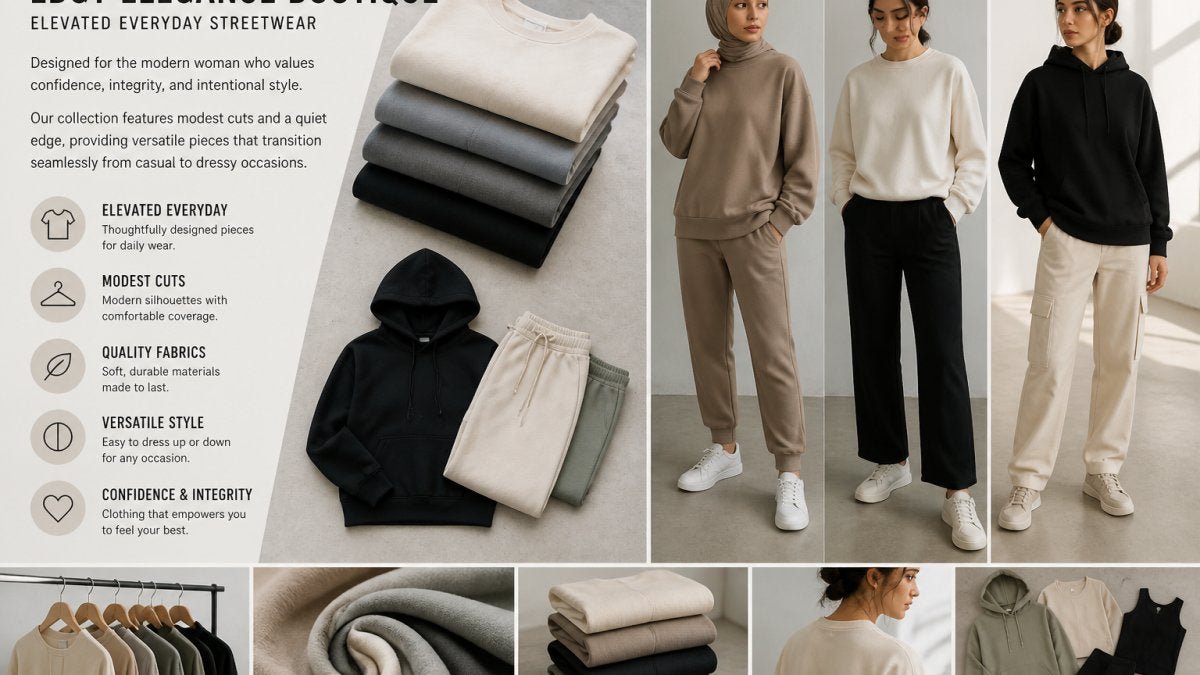
At Edgy Elegance Boutique, we've built our collection around this principle: quality materials create pieces that last longer, feel better, and align with intentional style choices. Organic cotton streetwear bridges fast fashion's disposability and sustainable luxury, choosing pieces that work harder for your wardrobe and your values.
The difference shows up over time: organic cotton develops a softer hand with washing, molds to your body, and maintains structure through repeated wear. When you invest in organic cotton streetwear, you're buying durability alongside ethics.
Environmental Impact: Organic Cotton vs Conventional Cotton
Conventional cotton production consumes resources at an alarming scale. Heavy synthetic pesticide and fertilizer applications accumulate in soil and water, persisting in ecosystems for years.
Organic cotton changes this equation. Organic methods eliminate synthetic pesticides entirely, protecting soil microbiota and reducing chemical runoff.
Water conservation is measurable. Organic practices, crop rotation, cover cropping, and improved soil structure, reduce water consumption. Soil retains moisture more effectively, lowering irrigation demands and compounding into significant savings across farms.
Greenhouse gas emissions also drop with organic production. Synthetic fertilizers are energy-intensive to manufacture and transport. Organic systems rely on natural nitrogen fixation and composting, cutting the carbon footprint of cotton production.
The biodiversity benefit extends beyond soil. Organic farms support more diverse plant and animal populations, with beneficial insects and natural pest predators thriving.
Explore our guide to sustainable streetwear brands to see how these environmental principles translate into real wardrobe choices.
Health and Comfort Benefits for Your Skin
Organic cotton eliminates chemical residue that conventional cotton retains. Synthetic pesticides don't fully wash out during processing, leaving trace amounts in the finished fabric that contact your skin directly. Organic cotton avoids this exposure entirely.
For many people, the comfort difference is immediate. Organic cotton feels softer from the first wear; its fibers retain more natural oils, creating a gentler hand feel that matters for all-day wear in pieces you wear repeatedly.
Organic Cotton Clothing for Sensitive Skin
If your skin reacts to conventional fabrics with itching, redness, or irritation, organic cotton often resolves the issue. The absence of chemical residues removes a common irritant, and many people with sensitive skin report that switching eliminates unexplained rashes or discomfort.
Breathability is another factor. Organic cotton's natural fiber structure moves moisture away from skin more efficiently than chemically treated conventional cotton, reducing the warm, damp environment where irritation develops. For streetwear transitioning from office to casual or indoor to outdoor, this keeps you comfortable all day.
The softness also matters psychologically. Wearing clothing that feels genuinely comfortable builds confidence. Edgy Elegance Boutique designs pieces so the physical experience enhances how you feel, not distracts or irritates.
Durability and Longevity in Everyday Wear
Durability in organic cotton streetwear is not a single property; it is the product of fiber length, yarn spinning, fabric weight, knit or weave structure, stitching, and how the garment is finished. To compare organic cotton with other long-lasting material options, consider how these construction factors apply across different fiber types.
Fiber and yarn. Longer cotton fibers, often called long-staple or extra-long-staple, spin into finer, stronger yarns with fewer protruding ends, meaning less surface fuzz and pilling.
Fabric weight and structure. Streetwear relies on two fabric families: jersey (single knit, for tees) and fleece (looped or brushed knit, for hoodies and sweatshirts). Weight is expressed in GSM (grams per square meter): lightweight tees sit around 140-160 GSM, midweight around 180-220 GSM, and heavyweight streetwear tees around 240 GSM and up. Hoodie fleece commonly ranges from roughly 280 GSM to 400 GSM and beyond.
Stitching and construction. Look at seam type and stitch density. Coverstitched hems and flatlock seams distribute stress and reduce bulk; double-needle stitching at shoulders and armholes adds strength where garments fail first.
Print methods and decoration. Screen printing with plastisol sits on top of the fabric and can crack; water-based and discharge inks penetrate the fiber and tend to age more gracefully.
What durability means in cost-per-wear terms. A $42.25 pair of Oversized Denim Jeans worn 100 times costs about $0.42 per wear; a $20 fast-fashion alternative worn 15 times costs about $1.33 per wear.

How organic cotton ages. With repeated washing, organic cotton develops a softer hand and molds to the body.
How to Care for Organic Cotton Clothing
Care is where the environmental benefit of organic cotton is either protected or squandered. The fiber is grown with fewer synthetic inputs, but how you wash, dry, and repair a garment can dominate its lifetime footprint.
Oversized Denim Jeans | Relaxed Fit Streetwear Pants →
Washing. Wash in cold water with like colors to reduce dye bleeding, limit shrinkage, and cut heating energy. Turn garments inside out to protect the outer surface and prints.
Drying. Tumble dry on low heat or hang dry. High heat is the fastest way to shrink cotton and degrade elastic fibers in cuffs and collars. Hang drying extends lifespan and avoids dryer energy.
Streetwear-specific care. Heavyweight tees and fleece benefit from washing less often; spot cleaning and airing between wears reduce wear. Wash denim sparingly and inside out, then hang to dry to preserve indigo and fit.
Repair and end-of-life. Repair is the most overlooked sustainability lever.
Care Task |
Frequency |
Impact on Longevity and Footprint |
|---|---|---|
Wash in cold water |
Every wear or as needed |
Prevents shrinkage and fading; cuts washing energy |
Turn inside out |
Every wash |
Reduces pilling and protects prints |
Gentle cycle, measured detergent |
Every wash |
Maintains fiber integrity and avoids residue |
Hang dry or low heat |
Every wash |
Extends garment lifespan and avoids dryer energy |
Repair small damage promptly |
As needed |
Extends usable life and avoids replacement emissions |
Store cool and dry, folded |
Always |
Prevents mildew, fading, and stretching |
Certifications and How to Verify Authenticity
Organic cotton claims require verification. Look for certifications from recognized bodies that audit farms and manufacturers. GOTS (Global Organic Textile Standard) is the most rigorous standard for organic cotton textiles.
Other certifications include USDA Organic (for the cotton itself) and Fair Trade Certified (for labor practices). GOTS is the most comprehensive for finished textiles because it covers the entire supply chain from farm through manufacturing.
When evaluating organic cotton streetwear, check the product description for certification labels. Legitimate brands display these prominently because they cost money to maintain, they're not claims made lightly. If a brand claims organic cotton but displays no certification, ask why.
Price is also a verification tool. Genuine organic cotton streetwear costs more than conventional alternatives because the production process is more expensive. If a brand claims organic cotton but prices identically to fast fashion, the claim deserves scrutiny.
The Trade-offs: Cost and Availability
Organic cotton streetwear costs more upfront.
Availability is a real question too. Not every style exists in organic cotton; the market is growing, but selection remains limited compared to conventional fashion, so a specific silhouette or color may not be available immediately.
However, framing this as a trade-off misses the actual value. You're not paying more for the same thing; you're paying for durability, health benefits, and environmental responsibility. A piece you wear 100 times justifies higher initial cost.
Understanding why quality matters helps contextualize cost. Discover why investing in quality clothing makes financial and practical sense over time.
Availability improves as demand grows. Brands like Edgy Elegance Boutique prioritize organic cotton specifically because we believe in building a wardrobe that lasts.
Building a Versatile Organic Cotton Wardrobe
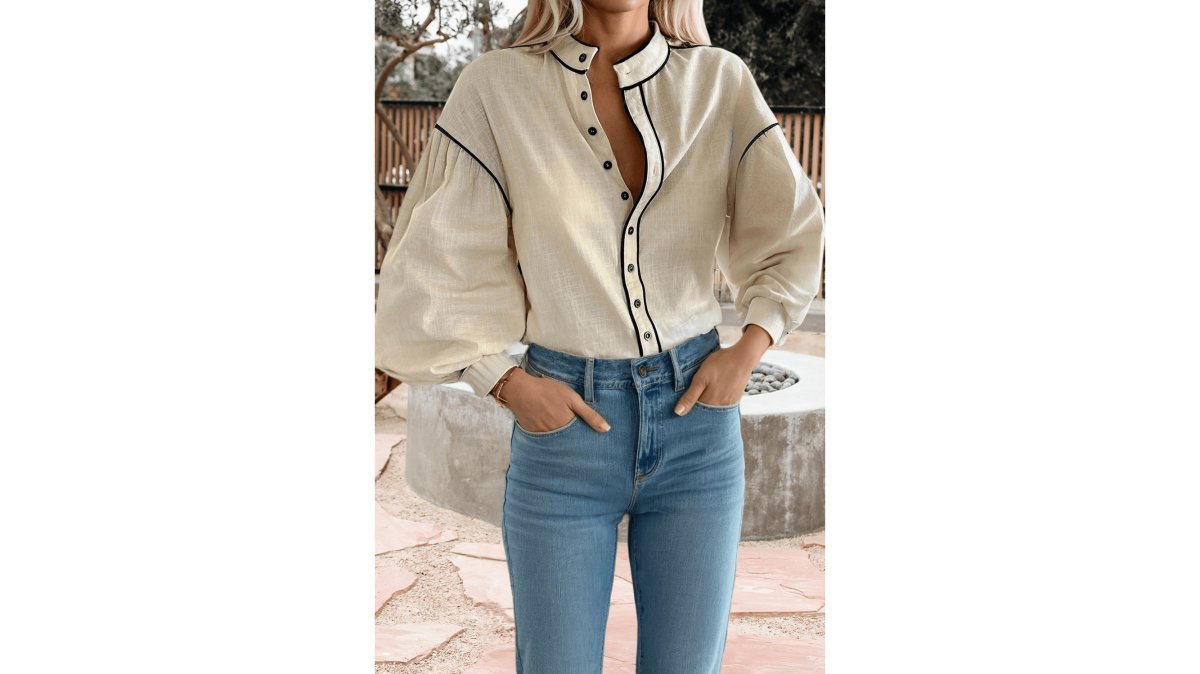
Start with foundational pieces that transition across contexts. Learn how to choose quality streetwear essentials that form the foundation of a cohesive wardrobe. Organic cotton denim, like our Oversized Denim Jeans, pairs with fitted tops for office settings or oversized layers for casual wear.
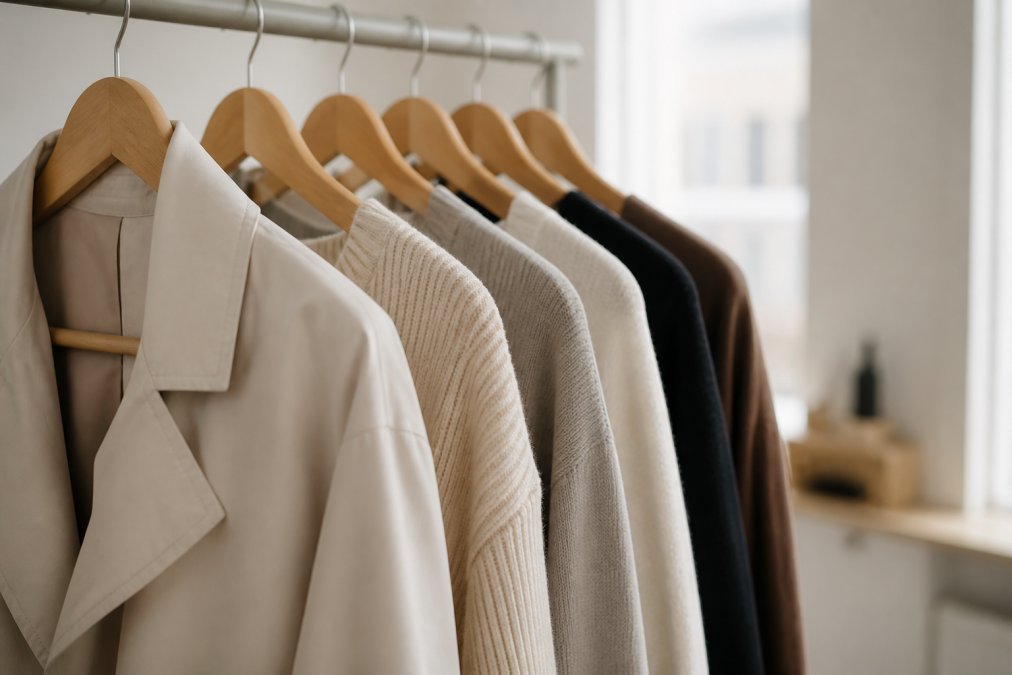
Build around a color palette that works for you. Neutral bases (black, white, gray, navy) maximize mixing and matching. Add 2-3 accent colors that complement your skin tone and personal style.
Invest in quality basics first. Organic cotton basics, plain tees, simple sweaters, neutral pants, form the foundation; patterned or trendy pieces come later, once your basics are solid.
Consider fabric weight and seasonality. Lightweight organic cotton jersey works for summer; heavier organic cotton knits suit cooler months, preventing purchases you can't wear for half the year.
Quality over quantity isn't just philosophy, it's practical strategy. Five pieces that work together create more outfit combinations than fifteen random items.
Building an organic cotton streetwear wardrobe means choosing pieces designed to last. Browse our e-commerce retail to shop our organic cotton collection and experience how quality fabric and thoughtful design transform how you feel wearing your clothes.
Frequently Asked Questions
What are the main benefits of wearing organic cotton streetwear?
Organic cotton streetwear offers multiple advantages: it eliminates synthetic pesticides and harsh chemicals that can irritate skin, making it ideal for sensitive skin types. The fabric provides superior breathability and moisture management compared to conventional cotton, keeping you comfortable throughout the day. Organic cotton also supports soil health and biodiversity on farms, reducing environmental impact. Garments made from organic cotton typically last longer when cared for properly, making them a better investment than fast-fashion alternatives despite higher upfront costs.
How does organic cotton compare to conventional cotton in terms of environmental impact?
Conventional cotton production relies heavily on synthetic fertilizers and pesticides, which contaminate soil and water systems while harming ecosystems and wildlife. Organic cotton farming eliminates these chemicals entirely, preserving soil health and biodiversity. Organic cotton also uses significantly less water than conventional cotton during cultivation. Additionally, organic farming practices reduce greenhouse gas emissions and carbon footprint. However, both types require water during production; the key difference is that organic methods protect the soil and surrounding environment from chemical exposure while supporting farmer health and worker safety.
Is organic cotton clothing really durable enough for everyday streetwear wear?
Yes, high-quality organic cotton streetwear is exceptionally durable when constructed properly and cared for correctly. Organic cotton fibers are naturally strong and develop character with wear, often becoming softer and more comfortable over time. Premium pieces like the Oversized Denim Jeans in 100% organic cotton are designed for daily wear and built to last years with proper maintenance. The key to longevity is following care instructions: washing in cold water, turning garments inside out, and air-drying when possible. Many customers find that investing in quality organic cotton pieces reduces their need to replace clothing frequently, ultimately saving money despite higher initial costs.
How can I verify that streetwear is actually made from organic cotton?
Look for third-party certifications on product tags and brand websites. GOTS (Global Organic Textile Standard) is the most recognized certification in the United States, indicating that the cotton was grown without synthetic pesticides or fertilizers and processed without harmful chemicals. Reputable brands like Edgy Elegance Boutique clearly display material composition and sourcing information on product pages. Be cautious of vague marketing language like "eco-friendly" without certification backing. Ask brands directly about their supply chain and production practices. Authentic organic cotton pieces will include fiber content labels stating "100% organic cotton" or "organic cotton blend" with specific percentages.