7 Minimalist Tailoring Tips for Modest Outfits That Fit
Last Updated: October 24, 2026
Quick Summary
Minimalist tailoring starts with the shoulder seam, which should land right at the edge of your shoulder bone. Take in the waist by no more than one inch per side seam, leave the hip alone, and hem to clear the ground by about half an inch in your usual shoes.
- Most off-the-rack pieces run a half inch to a full inch wide at the shoulder.
- Ask for sleeves that end just past the wrist bone with a snug but not tight cuff.
- Bring the shoes you plan to wear to the fitting so hem length is correct.
- Keep the base layer fitted at the shoulder and avoid layering two loose pieces.
- Never alter three areas on one garment at the same time.
Table of Contents
- Start With the Shoulder and Sleeve Before Anything Else
- Tailoring Tips for a Better Fit on Modest Silhouettes
- How to Style Modest Clothes So Tailoring Shows
- Modest Outfit Layering Tips That Add Shape, Not Bulk
- Modest Outfit Ideas for Women Built on Three Tailored Pieces
- Common Tailoring Mistakes That Undo a Minimalist Look
- Build Your Fitted Capsule With Edgy Elegance Boutique
- Frequently Asked Questions
Start With the Shoulder and Sleeve Before Anything Else
The shoulder seam is where a modest outfit succeeds or fails. If that seam sits past your natural shoulder bone, the whole garment pulls, droops, and reads as borrowed. This guide from Edgy Elegance Boutique covers minimalist tailoring tips for modest outfits, starting with the one adjustment most people skip. Fix the shoulder first, and every other alteration gets easier.
Why the Shoulder Seam Decides the Whole Fit
A shoulder seam should land right at the edge of your shoulder bone, no further. When it hangs wide, the sleeve tugs at your arm and the neckline shifts. When it sits too narrow, you lose room to move.
Here is what a wrong shoulder seam does to a modest silhouette:
- Pulls the neckline sideways, creating gaps
- Makes sleeves feel tight even when they are not
- Adds bulk across the upper back
- Forces you to tug at the garment all day
Tailors call this the anchor point. Move it, and the rest of the garment follows. Most off-the-rack pieces run a half inch to a full inch wide at the shoulder. A tailor can take that in without touching anything else.
Sleeve Length and Cuff Adjustments for Modest Coverage
Sleeve length matters more for modest dressing than for any other style. A three-quarter sleeve that stops mid-forearm can feel exposed. A full sleeve that pools at the wrist looks sloppy.
The fix is simple. Ask for sleeves that end just past the wrist bone, then adjust the cuff to sit snug but not tight. A tailor can shorten a sleeve in minutes and keep the original cuff.
For pieces with structured puff sleeves, like the Cream Contrast Trim Puff Sleeve Blouse, the shoulder and sleeve already carry the shape. You only need to confirm the seam sits on your shoulder and the cuff clears your wrist.

Tailoring Tips for a Better Fit on Modest Silhouettes
Modest silhouettes need room to move without looking shapeless. The trick is to shape one area and leave the rest alone. Most people try to fix everything at once, and the garment ends up tight and stiff.
Take In the Waist, Not the Hip
The waist is the safest place to add shape. Taking in the waist defines your middle while keeping the hip and thigh loose, which is exactly what a modest fit needs.
Watch out: taking in the hip to "slim" a long dress removes the room you need to sit and walk. You will feel it within an hour.
A good rule: take in no more than one inch at each side seam on the waist. Anything more changes how the fabric drapes.
Hem Lengths That Keep Coverage Without Dragging
A hem that grazes the floor looks elegant in photos and ruins your day in practice. Aim for a hem that clears the ground by about half an inch when you wear your usual shoes.
Bring the shoes you plan to wear to the fitting. Hem length changes with heel height, and a tailor cannot guess.
For maxi pieces, ask for a hem that stops just above the shoe. You keep full coverage and stop the fabric from fraying at the back.
How to Style Modest Clothes So Tailoring Shows
Tailoring only reads as intentional when the rest of the outfit stays quiet. Busy prints and heavy accessories hide the clean lines you paid for.
Keep the styling simple:
- Choose one focal point, like a defined waist or a structured sleeve
- Skip belts over tailored waists, which add bulk
- Let hems fall straight with no bunching at the ankle
- Pair fitted tops with flowing bottoms, never both loose
A fitted, tailored piece also transitions across seasons well. If you want more on that, our guide on how to transition modest outfits walks through it.
Black & Cream Modest Knit Dress | Elegant Minimalist Maxi Dress for Women →
Modest Outfit Layering Tips That Add Shape, Not Bulk
Layering is where modest outfits usually go wrong. Three thin layers can look leaner than one thick one.
Start with the thinnest base you own. Add a structured layer on top, like a blazer or a button-down. Finish with one outer piece, and stop there.
A few layering rules that hold up:
- Keep the base layer fitted at the shoulder
- Choose mid-layers with a defined seam, not a dropped shoulder
- Avoid layering two loose pieces over each other
- Roll or cuff sleeves only when the layer underneath is fitted
For more layered looks that keep their shape, our modest fall streetwear outfit ideas show the approach in practice.
Modest Outfit Ideas for Women Built on Three Tailored Pieces
Three well-tailored pieces can carry a whole week of modest outfit ideas for women. The trick is choosing pieces that share a color family and a clean line.
Here is a simple three-piece base:
Piece |
What to Tailor |
Why It Works |
|---|---|---|
Long knit dress |
Waist and hem |
Defines shape, keeps coverage |
Structured blouse |
Shoulder seam and cuff |
Anchors the top half |
Pleated maxi skirt |
Waistband and hem |
Adds movement without bulk |
Build outfits by pairing one tailored piece with one simple one. A fitted blouse with a flowing skirt. A defined dress with a plain layer over it.
The Black & Cream Modest Knit Dress works as the anchor piece here. Its relaxed silhouette takes a waist adjustment well and keeps its modest length.

Common Tailoring Mistakes That Undo a Minimalist Look
Most tailoring mistakes come from changing too much at once. Minimalist tailoring means small, precise adjustments.
Here is what to avoid:
- Taking in the hip on a long dress, which kills your room to move
- Shortening a sleeve without keeping the original cuff
- Hemming before you choose your shoes
- Altering three areas on one garment at the same time
- Ignoring the shoulder seam and fixing the waist instead
A common mistake is asking a tailor to "make it fit better" with no specifics. Bring a list. Name the exact seam and how much you want it moved.
Build Your Fitted Capsule With Edgy Elegance Boutique
A fitted capsule starts with pieces worth tailoring. Thin fabric and loose construction will not hold a seam, no matter how skilled your tailor is.
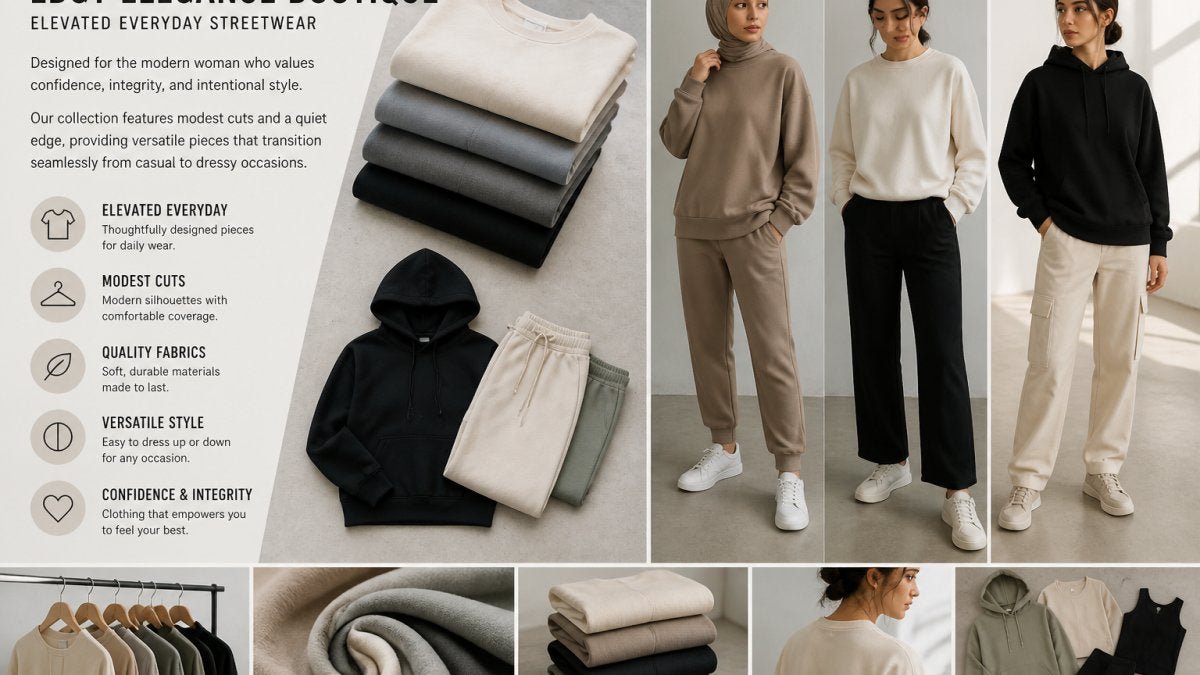
At Edgy Elegance Boutique, we build modest pieces with clean lines and structured details that take alterations well. Our puff sleeve blouse has a defined shoulder seam. Our knit maxi dress has a relaxed cut that shapes easily at the waist. Both come with a 30-day guarantee and stress-free returns, so you can check the fit before you commit to a tailor.
If you want a full plan for assembling a small, working wardrobe, read our guide on how to build a modest capsule wardrobe.
Frequently Asked Questions
What tailoring changes make modest clothes fit better?
Start at the shoulder seam, since everything below it hangs from that line. Then take in the waist rather than the hip, so a long skirt or dress keeps its modest drape while losing extra fabric at the middle. Shorten sleeves to a length you can move in, and hem to a length that clears the floor by about an inch. Two or three small alterations usually do more than buying a new size, and a local tailor can quote the work before you commit.
How can I layer modest outfits without adding bulk?
Use thin layers and keep each one close to the body. A fine-knit long-sleeve top under a modest dress adds coverage without a visible ridge, and a lightweight cardigan or open shirt works better than a heavy jacket indoors. Match layer colors to the base piece so the eye reads one column instead of several stacked blocks. If a layer adds width at the waist, belt it or choose a shorter length that ends above the widest point.
How do I make basic modest outfits look more elevated?
Focus on fit and fabric before accessories. A hem that hits the right spot and a waist that follows your shape make an inexpensive piece look considered. Choose materials with some weight, like a soft knit or a pleated skirt with structure, over thin fabric that clings. Then limit yourself to one contrast detail, such as black trim on a cream blouse, and repeat one metal tone in your jewelry. Fewer elements, each doing its job, reads as minimalist rather than plain.
Which fabrics hold a structured modest silhouette best?
Look for fabrics with a little body: cotton-viscose blends, ponte knits, and pleated synthetics keep their shape through a workday. Very stretchy jersey drapes close to the body and shows every layer underneath, which fights the clean line you want. Check the label before ordering online, and remember that a structured fabric often needs less tailoring because it holds the shape on its own.
The real test of a modest outfit is whether it moves with you all day without a single tug. Start with the shoulder seam, adjust the waist, and keep the styling quiet. Get those three right and the rest falls into place. Shop Edgy Elegance Boutique for modest pieces with structured shoulders, defined seams, and fabric that holds a tailor's stitch, and build a wardrobe that fits you, not the rack.