How to Mix Textures in Monochromatic Outfits
Last Updated: October 25, 2026
Quick Summary
To mix textures monochromatic, pair smooth fabrics like silk or satin with textured ones like chunky knits, and layer pieces with different textures across your base, mid, and outer layers. This creates visual depth and sophistication within a single color while keeping your outfit intentional and interesting.
- Pair smooth materials with textured ones to create visual contrast without color variation.
- Use three main textures per outfit: one smooth, one medium, one textured.
- Layer a smooth base layer, textured mid-layer, and structured outer layer for depth.
- Adjust fabric weight and drape seasonally, using heavier knits in winter and lighter fabrics in summer.
- Avoid pairing too many textures at once or ignoring proportion between fitted and loose pieces.
Table of Contents
- Why Texture Matters in Monochromatic Dressing
- Choosing Your Base Color and Building a Monochromatic Outfit
- Best Fabric Combinations for Outfits
- How to Mix Fabrics in an Outfit
- Monochromatic Outfit Ideas by Occasion and Season
- Common Texture-Mixing Mistakes to Avoid
- Building Your Texture-Rich Monochromatic Wardrobe
- Frequently Asked Questions
Why Texture Matters in Monochromatic Dressing
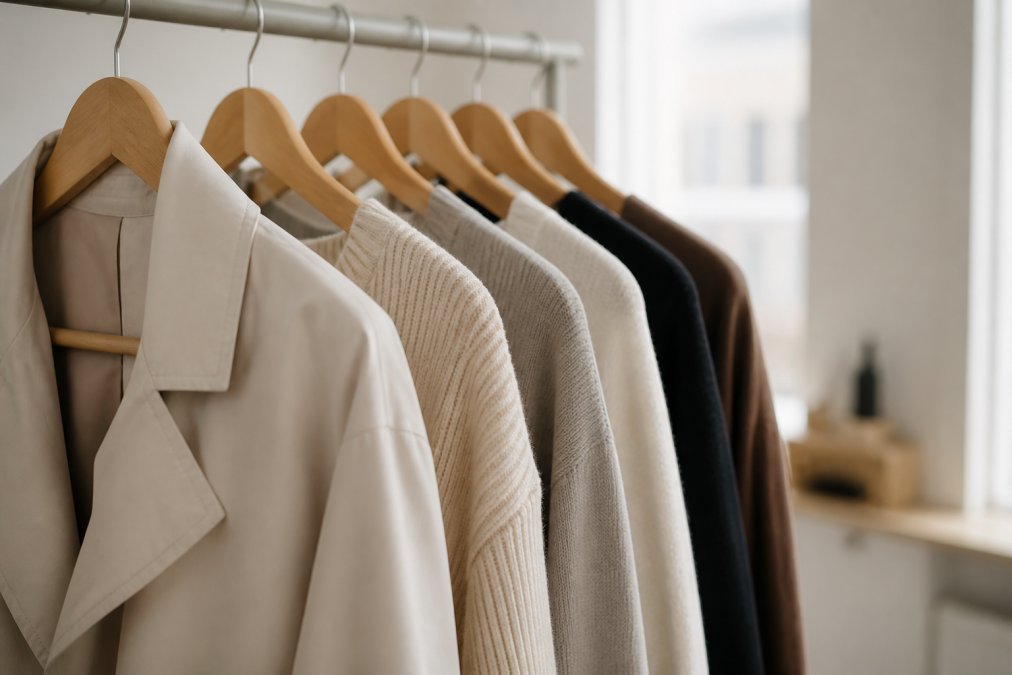
A monochromatic outfit built entirely on color alone can feel flat and one-dimensional, which is why learning to mix textures monochromatic is essential. But when you mix textures in monochromatic outfits, you create depth, visual interest, and sophistication that keeps the look from becoming boring.
Texture mixing is the secret weapon for building a versatile wardrobe. It's how you take one color, black, gray, white, or any neutral, and create multiple outfit variations that feel fresh and considered.
When you pair smooth materials with textured ones, you give the eye something to follow. A sleek leather piece next to a soft knit creates visual contrast without requiring a color change.
Choosing Your Base Color and Building a Monochromatic Outfit
Start by selecting a single base color that works for your lifestyle and skin tone. Black, white, gray, navy, and brown are classic choices because they're versatile and easy to build around.
Your base color becomes the foundation for everything else. All your pieces in that single color family create a cohesive, simplified wardrobe. This simplicity is exactly what makes texture mixing essential. Without color variation to break things up, texture becomes your primary tool for creating visual interest.
When building a monochromatic outfit, think about the pieces you'll layer. A base layer (like a fitted tee or tank), a mid-layer (like a knit or shirt), and an outer layer (like a blazer or jacket) give you structure.
The beauty of monochromatic dressing is that every piece works together. You're not hunting for items that coordinate across different colors, you're simply finding pieces in your chosen shade that offer different tactile qualities. Build a Chic Everyday Wardrobe: A Step-by-Step Guide covers the fundamentals of creating a foundation that works across multiple outfits.
Best Fabric Combinations for Outfits
Smooth and Textured Pairings
Pairing smooth fabrics with textured ones is the foundation of interesting monochromatic styling. A smooth satin blouse paired with a chunky knit creates immediate visual contrast.
Cotton blends offer a neutral texture, not smooth, not bulky. A cotton button-down in cream pairs beautifully with a cream puff-sleeve blouse like the Cream Contrast Trim Puff Sleeve Blouse, which adds subtle dimension through its structured sleeves.

Linen has a natural texture that reads as intentional without being heavy. It works especially well in warmer months when you want visual interest without bulk. Pairing linen with smooth jersey creates a balanced, wearable combination.
Consider these pairings:
- Silk or satin with chunky knit
- Smooth cotton with cable-knit sweater
- Linen with fitted jersey
- Velvet with structured cotton
Each combination creates visual depth while staying within your monochromatic palette.
Sleek Materials with Bulky Knits
Faux leather and other sleek materials paired with oversized knits create a striking contrast.
The Brown Faux Leather Jogger Pants and Black Faux Leather Jogger Pants are perfect examples of how sleek materials anchor an outfit.

This pairing works because of proportion too. A sleek, fitted piece of leather looks best paired with something looser and more textured. An oversized knit next to fitted leather joggers creates balance.
Wool knits offer substantial texture. Merino wool has a slightly smoother feel than chunky cable knits, so adjust your pairings based on how much contrast you want.
These fabric pairings create visual contrast and depth within a monochromatic color scheme.
Smooth Fabric |
Textured Fabric |
Visual Effect |
|---|---|---|
Silk or satin |
Chunky knit |
Immediate visual contrast |
Smooth cotton |
Cable-knit sweater |
Balanced, wearable combination |
Linen |
Fitted jersey |
Intentional without being heavy |
Faux leather |
Oversized knit |
Striking contrast with proportion |
Merino wool |
Faux leather |
Subtle contrast |
Cable-knit |
Faux leather |
Bold contrast |
How to Mix Fabrics in an Outfit
Balancing Weight and Drape
Fabric weight matters when you're mixing textures. A heavy wool coat needs balance from a lighter knit underneath. A delicate silk blouse can handle a structured cotton jacket.
Drape is how fabric falls and moves. Silk drapes smoothly and fluidly. Cotton blends drape more structured. Knits stretch and cling slightly.
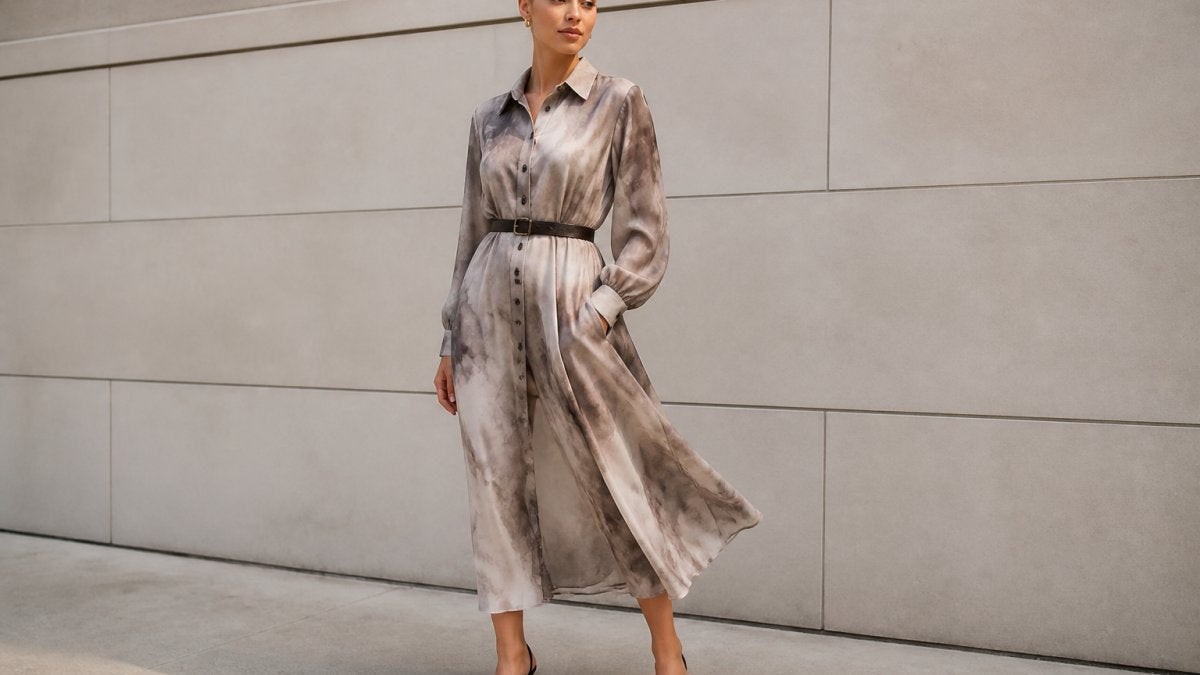
A piece with fluid drape (like a silk or satin blouse) looks best paired with something more structured (like a fitted cotton or a jacket with body). This creates visual balance.
Weight and drape work together. A heavy fabric with stiff drape needs a lighter, more fluid piece to balance it. A lightweight fabric that drapes loosely can handle being paired with something more substantial.
Layering for Depth and Dimension
Layering is where you can truly mix textures monochromatic and create depth. Each layer should offer something different.
Start with a smooth base. A fitted tee or tank in cotton jersey provides a smooth foundation. The Black & Cream Modest Knit Dress offers soft knit texture that works beautifully as a base or mid-layer piece.

Your outer layer should provide contrast to what's underneath. If your mid-layer is soft and textured, your outer piece might be sleek and structured. If it's smooth, a textured outer layer works well.
Black & Cream Modest Knit Dress | Elegant Minimalist Maxi Dress for Women →
Layering also allows you to adjust texture mix based on the season and weather. In winter, add a structured wool coat over textured knitwear. In summer, layer a linen shirt over a smooth cotton base.
Monochromatic Outfit Ideas by Occasion and Season
Office and Professional Settings
Professional monochromatic outfits need structure and intention. Start with neutral colors like black, gray, or white. Pair a smooth blouse with structured trousers in the same shade. Add a textured blazer or cardigan for dimension.
A cream puff-sleeve blouse paired with cream or white trousers creates a polished look. The puff sleeves add visual interest without pattern or color variation. Layer with a structured cream cardigan or blazer for a complete professional ensemble.
For a black monochromatic office look, pair black trousers with a black knit sweater and a black leather blazer. The different textures, smooth trousers, soft knit, structured leather, create a sophisticated outfit that feels intentional. Best Versatile Modest Work Blazers: A 2026 Guide offers deeper guidance on selecting blazers that work across multiple settings.
Gray is the ultimate professional neutral. Pair gray wool trousers with a gray cotton blouse and a gray cable-knit cardigan. Each piece offers different texture and weight, creating a look that's both polished and interesting.
Casual Weekend Looks
Casual monochromatic outfits can be more relaxed while still feeling intentional. Pair faux leather joggers with an oversized sweater in the same color family. This combination is comfortable and visually interesting.
Brown faux leather joggers with a brown or cream oversized sweater creates an effortless weekend look.
Black faux leather joggers work with almost any neutral knit. Pair them with a cream, gray, or black sweater depending on the look you want. Add a simple tee underneath for layering.
White or cream monochromatic casual outfits work well in warmer months. Cream linen pants with a cream knit sweater and a white cotton tee creates a soft, approachable look.
Seasonal Texture Adjustments
Texture mixing changes with the seasons. In winter, embrace heavier fabrics and bulkier textures. Pair thick wool knits with structured coats. Layer a cable-knit sweater over a smooth cotton base with a wool coat on top.
Spring and fall call for medium-weight fabrics. Merino wool sweaters, cotton blends, and linen work well. Layer a linen shirt over a smooth cotton tee, then add a structured cardigan.
Summer monochromatic outfits should feature lighter textures. Linen, lightweight cotton, and silk create breathable combinations. Pair a linen shirt with smooth cotton pants. Add a lightweight cardigan if you need a layer.
Intentional Dressing Tips for Professionals in 2026 covers how to adjust your wardrobe approach seasonally while maintaining a cohesive style.
Common Texture-Mixing Mistakes to Avoid
Pairing too many textures at once creates visual chaos. Stick to three main textures per outfit: one smooth, one medium, one textured. This creates interest without overwhelming the look.
Ignoring proportion when mixing textures is a common mistake. A fitted leather piece needs balance from something looser. An oversized knit needs something more fitted. Texture mixing works best when proportions create visual balance.
Choosing textures that don't work together is another pitfall. Not every texture pairs well with every other texture. Delicate fabrics need careful pairing with heavier ones. Test combinations before committing to wearing them.
Forgetting about fabric care is practical but important. If you mix delicate fabrics with sturdy ones, make sure you can actually care for the outfit.
Building Your Texture-Rich Monochromatic Wardrobe
Start with one color and invest in pieces with different textures. Choose a color that works for your skin tone and lifestyle. Black, white, gray, navy, and brown are versatile starting points.
Buy pieces intentionally. Don't just collect monochromatic items, select them for texture variety. One smooth piece, one medium-textured piece, one chunky-textured piece in your chosen color creates multiple outfit combinations.
Quality matters in monochromatic dressing because texture is everything. A cheap leather substitute won't create the contrast you're looking for. How to Mix and Match Clothes: 2026 Guide and Best Fabrics for Long Lasting Clothing: 7 Durable Picks offer guidance on selecting pieces that will hold up and look good over time.
Consider your lifestyle. If you work in a professional environment, prioritize structured, polished textures. If you're mostly casual, oversized knits and relaxed fits work well. Your monochromatic palette should reflect how you actually dress.
Build gradually. Our e-commerce retail platform makes it easy to browse and discover pieces that fit your texture-mixing strategy, with detailed product descriptions and images that help you evaluate how different fabrics will work together.
Mixing textures in monochromatic outfits transforms a simple color palette into a sophisticated, versatile wardrobe. Start with our Black & Cream Modest Knit Dress or Cream Contrast Trim Puff Sleeve Blouse and build from there.
Frequently Asked Questions
How do you keep a monochromatic outfit from looking flat?
Texture is your answer. Mix fabrics with different surfaces and weights—pair a smooth leather piece with a chunky knit, combine a silky blouse with matte trousers, or layer a fitted sweater under a relaxed wool coat. The contrast between sleek and textured fabrics creates visual depth and dimension that keeps the eye engaged, even when your entire outfit is one color. Varying fabric weight also prevents the monochromatic look from feeling heavy or one-dimensional.
What fabrics work well together in a monochromatic outfit?
Combine smooth and textured fabrics to build interest. Pair faux leather with soft knits, linen with cotton jersey, or silk with wool. Sleek materials like leather or satin work beautifully with bulky knits and cable-knit sweaters. Mix matte and slightly shiny surfaces—matte cotton with subtle sheen in a blouse, for example. The key is balancing weight and drape so pieces flow together rather than clash. Lighter fabrics work well for layering, while heavier textures anchor an outfit.
Can you mix different shades of the same color in one monochromatic outfit?
Absolutely. Mixing shades and tones within one color family adds richness and prevents a flat appearance. Pair charcoal gray with light gray, cream with soft taupe, or black with deep navy. The variation in tone combined with texture creates a sophisticated, layered look that feels intentional rather than matchy. Just ensure your pieces are close enough in the color family to read as cohesive—the outfit should feel like one unified palette, not random separate colors.
How many textures should you combine in one monochromatic outfit?
Aim for two to three distinct textures to maintain balance. Too many textures can feel chaotic and overwhelming; too few makes the outfit feel flat. A simple formula: one smooth base (like a fitted tee), one textured mid-layer (like a knit sweater), and one sleek accent (like faux leather pants or a structured blazer) creates depth without visual noise. This approach keeps your monochromatic outfit cohesive while adding the dimension that makes it interesting to look at.